

Activities in the field of the Organisation for Security and Cooperation in Europe OSCE
The Swiss delegation to the OSCE represents Switzerland's interests and positions in the three dimensions of the OSCE.
Political-military dimension of security
.avif?auto=format)
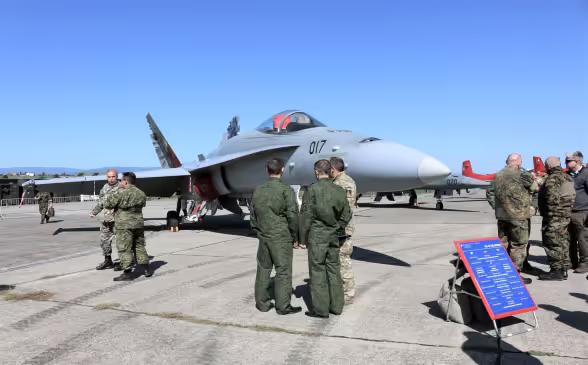
The OSCE takes a comprehensive approach to the politico-military dimension of security, which includes a number of commitments by participating States and mechanisms for conflict prevention and resolution.
The politico-military dimension of security comprises the following areas of activity:
- Arms control
- Defence and police reforms
- Border control
- Combating transnational threats such as terrorism
- Conflict prevention and resolution
- Secure stockpiling and destruction of small arms and light weapons
- Fight against cybercrime
The OSCE advocates a cooperative approach to security based on cooperation and dialogue. The control of conventional weapons systems and the promotion of confidence- and security-building measures (CSBMs) by the OSCE are a key part of cooperative security in Europe. The Vienna Document 2011 is the most important instrument for military confidence building in the OSCE. The OSCE plays a key role in the individual stages of the conflict cycle – early warning, conflict prevention and resolution, crisis management and post-conflict rehabilitation – and works closely with other international actors.
Swiss engagement
The goal is to create a culture of transparency and predictability, and to build confidence and stability. In the politico-military dimension, Switzerland's involvement is based on two OSCE documents: the Vienna Document, which contains confidence- and security-building measures, and the OSCE Code of Conduct on Politico-Military Aspects of Security.
Switzerland is committed to maintaining, revitalising and further developing confidence- and security-building measures and arms control instruments. Switzerland is also committed to strengthening capabilities in the conflict cycle, in particular to maintaining and, where possible, expanding institutional capabilities.
Chairmanship of the OSCE Forum for Security Co-operation
On 1 January 2019, Switzerland assumed the chairmanship of the OSCE Forum for Security Co-operation (FSC) for four months. The FSC is the OSCE's negotiating and decision-making body for the organisation's politico-military dimension. Within the FSC, the 57 OSCE participating states engage in security dialogues on ways to increase military security and stability in Europe. Under the Swiss chairmanship, dialogues were held on topics including small arms and conventional ammunition, private military and security services, confidence- and security-building measures within and outside the OSCE, democratic control of armed forces, security sector governance and reform, and the role of women in security policy.
Links
Forum for Security Co-operation (en)
Centre for conflict prevention (en)
Economic and environmental dimension
Activities in the economic and environmental dimension include the monitoring of developments related to economic and environmental security in OSCE participating States.
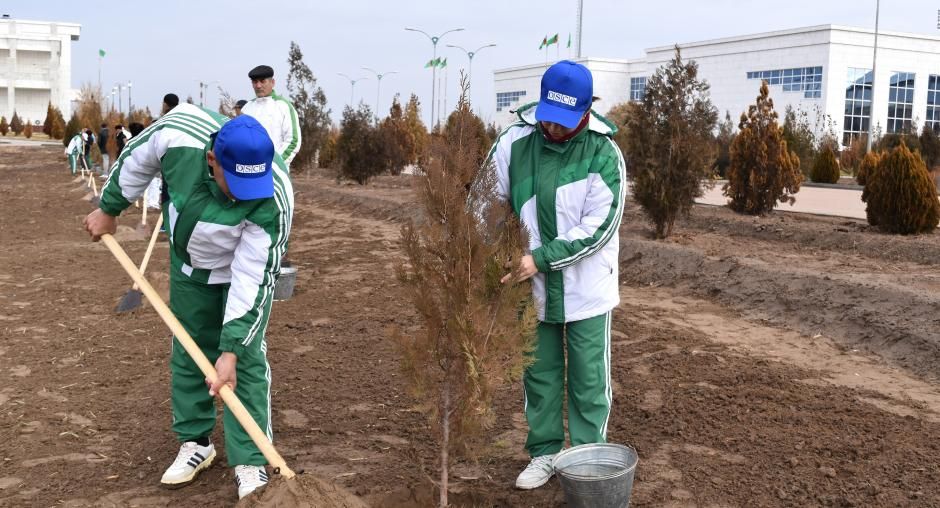
The economic and environmental dimension includes:
- Good governance
- Fighting corruption
- Environmental protection
- Climate change and security
- Sustainable use of natural resources
- Water diplomacy
- Competent management of natural disasters
- Environmentally sound waste management
The OSCE recognises the close connection between environmental issues and economic prosperity and security. It regards cooperation on environmental issues as an essential part of its commitment to conflict prevention, building mutual trust and promoting good neighbourly relations. The OSCE is also committed to sustainable economic growth and promotes international economic cooperation in various areas in order to combat the dangers of economic and social inequality, the lack of the rule of law, weak government, corruption, mass poverty and high unemployment.
Good governance is an important prerequisite for ensuring economic growth, political stability and security. As a result, the OSCE endeavours to support states in this area in order to ensure a functioning state system.
The Office of the Co-ordinator of OSCE Economic and Environmental Activities (OCEEA) is part of the OSCE secretariat and works with OSCE field operations and institutions to support participating states in the area of environmental and economic issues and to implement projects in this field.
Links
Office of the Co-ordinator of the OSCE Economic and Environmental Activities (OCEEA)
Swiss engagement
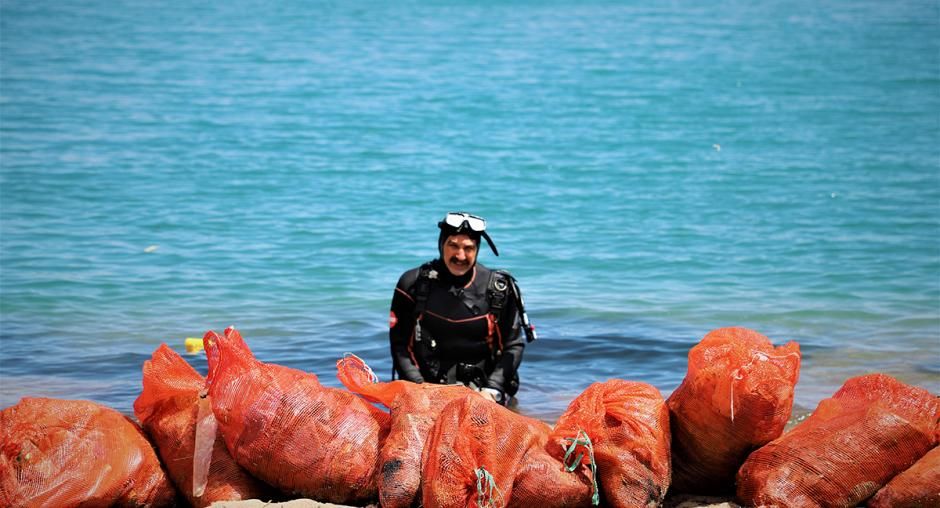
Within the framework of the OSCE's second dimension, Switzerland is committed to strengthening water diplomacy as an instrument of conflict prevention. Another important related topic for Switzerland is the nexus between climate change and security. Switzerland contributes its expertise in mediation and conflict management in order to expand cooperation within the OSCE at the interface of environmental issues and conflict prevention together with partner states. Switzerland is committed to building trust through economic connectivity and strives to develop areas of cooperation, for example in the areas of the green economy, better resource efficiency, the promotion of sustainable economic growth, fighting corruption and promoting good governance.
Human Dimension
The commitments made by OSCE participating States in the human dimension aim to ensure full respect for human rights and fundamental freedoms.
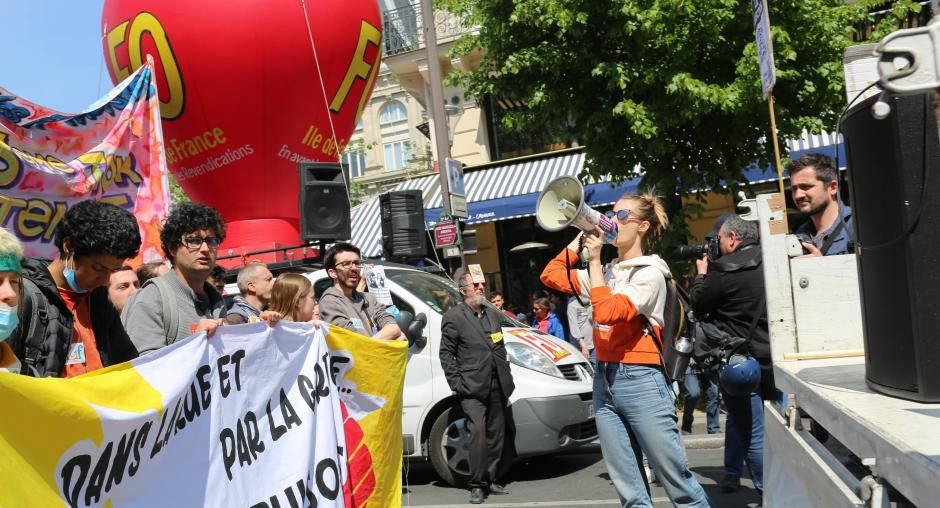
The human dimension of security includes the following areas:
- Commitment to develop and promote democratic structures
- Inclusive and credible elections
- Freedom of the media
- Minority rights
- The rule of law
- Tolerance and non-discrimination
- Protection of civil, political, economic, social and cultural rights
- Gender equality
The human dimension is a core component of the OSCE’s comprehensive approach to security, as the OSCE considers human rights and fundamental freedoms to be an important factor in conflict prevention and peacekeeping, alongside the military component. The OSCE therefore actively promotes respect for human rights and fundamental freedoms as well as democratic institutions, as without them security and stability are not sustainable. Four independent OSCE institutions are of particular importance for the implementation of OSCE commitments in the human dimension.
Links
OSCE Office for Democratic Institutions and Human Rights in Warsaw
OSCE High Commissioner on National Minorities in The Hague
OSCE Representative on Freedom of the Media in Vienna
Office of the Special Representative and Co-ordinator for Combating Trafficking in Human Beings
Swiss engagement
Switzerland supports the OSCE by developing its own mediation capacities and endeavours to promote the «Women, Peace and Security» agenda within the OSCE. Switzerland also provides financial and material support for the effectiveness of OSCE institutions responsible for upholding human rights and preventing and combating human trafficking, and helps support election observation missions.